Gutter guards are a filter between the roof and the trough, and the technology matters: micro-mesh screens out everything down to shingle grit, surface-tension helmets shed leaves while pulling water around a curved nose, and cheap perforated covers block leaves but pass seeds and needles that build up underneath. Free referral to a licensed local pro — one call, no obligation.
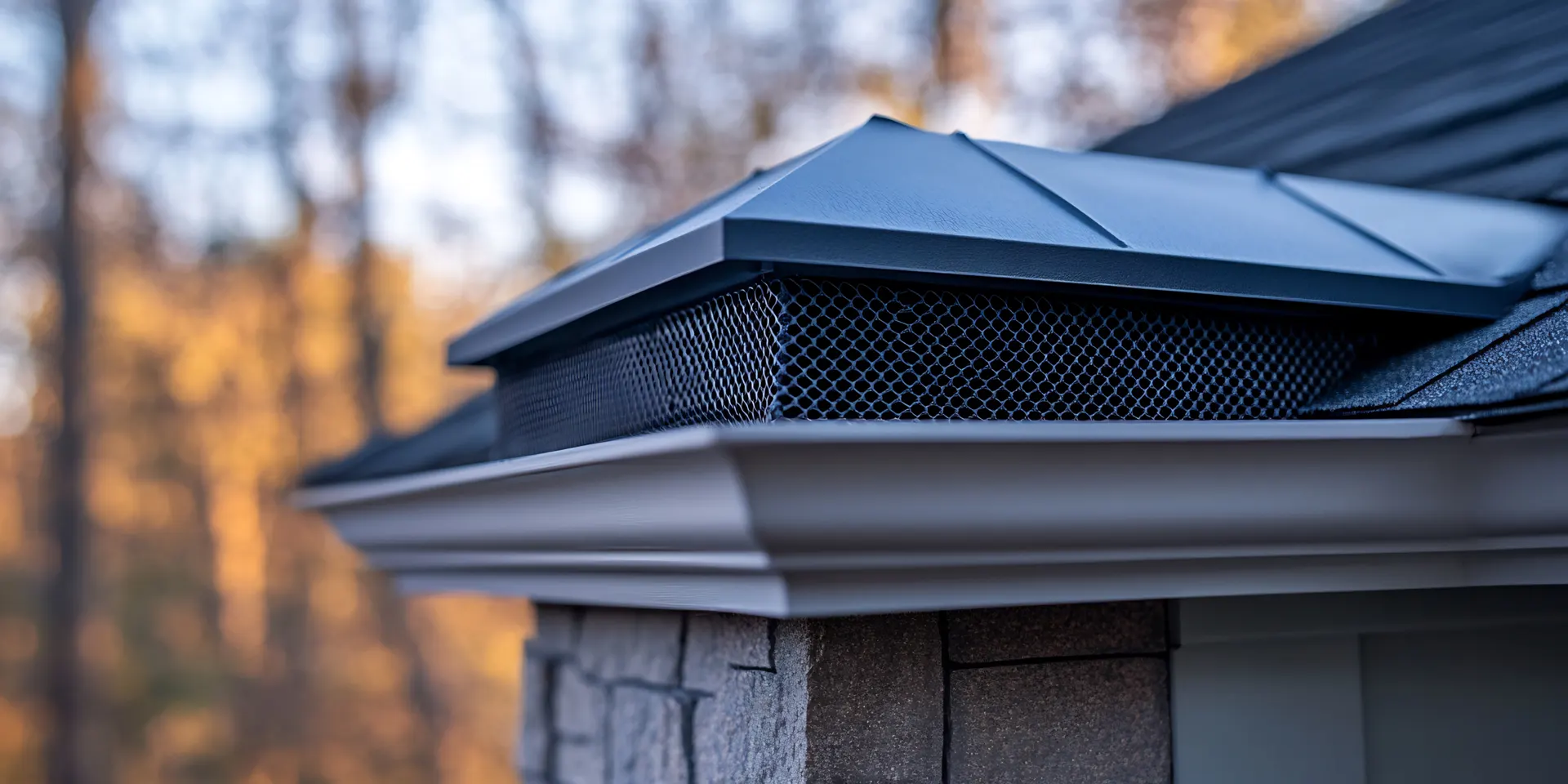
Gutter guards are a filter between the roof and the trough, and the technology matters: micro-mesh screens out everything down to shingle grit, surface-tension helmets shed leaves while pulling water around a curved nose, and cheap perforated covers block leaves but pass seeds and needles that build up underneath. The right choice depends on your trees — oak leaves, maple seeds, and pine needles defeat different designs.
These are the specific failure modes licensed installers see most on this work.
Fine debris (needles, seeds, grit) passing through coarse screens and clogging the gutter under the guard — invisible until overflow.
Surface-tension helmets overshooting in intense downpours, especially on steep roofs.
Foam and brush inserts trapping organic sludge that decomposes and blocks flow.
One call to (888) 650-1415 — tell us your ZIP code and what the gutters are doing.
We connect you with a licensed local gutter professional who covers your area.
The pro inspects and quotes the work. No obligation, and the referral costs you nothing.
Your local pro completes the job — installation, repair, or maintenance.
Quality guards matched to your tree debris dramatically reduce cleaning frequency — that finding is consistent across independent testing. What they don't do is make gutters maintenance-free; surface debris still needs occasional brushing off, and every guard system should be inspected every year or two.
Stainless micro-mesh performs best across the widest range of debris, including pine needles and shingle grit, which is why the major national brands use it. Surface-tension helmets excel with broad leaves. Cheap perforated aluminum or plastic screens are better than nothing but pass fine debris.
Most systems retrofit onto structurally sound 5- and 6-inch K-style gutters. The installer will check pitch, hanger condition, and fascia soundness first — guards on failing gutters just protect a broken system.
Any gutter, guarded or not, can ice up. Guards neither cause nor cure ice dams — those come from attic heat loss. Some metal guards actually shed snow better than open troughs; foam inserts are the worst winter performers.
Systems that install without lifting shingles (fascia-mounted or gutter-mounted) don't touch the roof warranty. Designs slid under the first shingle course can — ask the installer how the specific product mounts.
Pricing varies enormously by system tier — from basic screens to premium micro-mesh with installation warranties. The licensed installer quotes your home; GutterLinker's referral is free.
Wooded lots are exactly where they pay off — turning 3–4 cleanings a year into an occasional surface brush-off. Match the technology to the debris: micro-mesh for needles and seeds, helmet types for broad leaves.
Two separate warranties: the product (materials, finish — look for 20+ years on quality systems) and the workmanship (the install itself). Some premium systems also offer no-clog guarantees with service commitments — read what triggers them.
That's the exact problem GutterLinker solves: call (888) 650-1415, tell us your ZIP code, and we connect you with a licensed local pro who does gutter guards in your area. No searching, no ad-page roulette — the referral is free and the quote carries no obligation.
Free referral to a licensed local gutter pro. One call. No obligation.
Call (888) 650-1415 Now Gutter